Pre-Purchase Inspection Checklist: What to Ask (and What to Walk Away From)
Purchasing a used car can be both exciting and nerve-wracking. Whether you’re eyeing a sleek BMW or a reliable Volvo, a pre-purchase inspection (PPI) can save you from future headaches. Especially in a bustling city like Chicago, IL, where the roads can be unforgiving, a thorough inspection is non-negotiable. In this guide, we’ll walk you through the essential questions to ask during a PPI and highlight red flags that might signal it’s time to walk away.
Understanding the Importance of a Pre-Purchase Inspection
Before diving into specifics, let’s understand why a PPI is crucial. A pre-purchase car inspection offers peace of mind by revealing underlying issues a vehicle might have. This step is critical whether you’re buying from a dealership, a private seller, or even through an online platform. The last thing you want is to discover costly repairs after the purchase. Imagine buying a car only to find out the engine needs a complete overhaul, potentially costing you thousands of dollars. Such surprises can be avoided with a proper inspection.
What is Included in a Pre-Purchase Inspection?
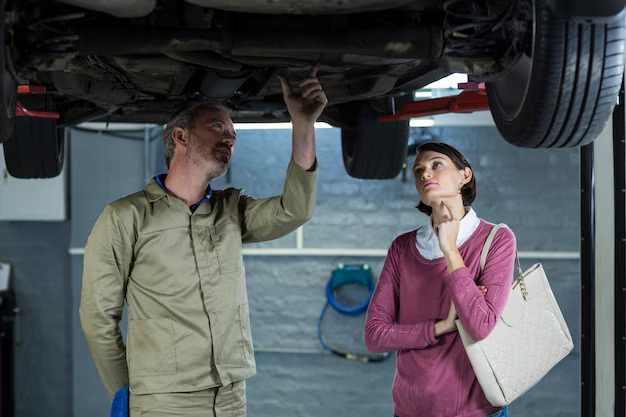
A comprehensive PPI typically covers mechanical, electrical, and structural components of the car. This includes checking the engine, transmission, brakes, suspension, and more. It’s essential to ensure that safety systems like airbags and seatbelts are functional. The inspection also evaluates the car’s exterior for signs of rust or previous accidents. A practical example is discovering rust in the undercarriage, which could indicate that the car was previously used in areas with heavy snowfall and road salt, leading to expensive future repairs.
Preventative Maintenance Tips
Regular maintenance, such as timely oil changes and using rust protection sprays, can preserve your car’s mechanical parts and bodywork. This not only prolongs the vehicle’s life but also ensures you maintain its resale value. For instance, a car with a well-documented maintenance history can fetch a higher price compared to one without.
How Long Does a Pre-Purchase Inspection Take?
The duration can vary, but a thorough inspection usually takes between 1 to 2 hours. It’s important not to rush this process, as it can uncover issues that aren’t immediately visible. Investing this time can save you from potential headaches down the road. For example, a detailed inspection might reveal minor issues such as worn-out brake pads that can be easily fixed, preventing future safety hazards.
Key Areas to Focus On
When you’re at the inspection stage, there are specific areas you should focus on to ensure you cover all bases. Here are some of the critical components:
Engine Condition and Performance
The engine is the heart of any vehicle, and its condition can significantly affect your driving experience. Be sure to examine:
– Oil Leaks: Look for any signs of oil leaks beneath the car or around the engine bay. Leaks can suggest poor maintenance or more severe engine issues.
– Engine Noise: Listen for unusual sounds when the engine is running. Knocking or ticking noises can indicate internal engine problems that may require expensive repairs.
Transmission and Drivetrain
The transmission is crucial for a smooth ride. During the inspection, consider:
– Transmission Fluid: Check the condition and level of the transmission fluid. Dirty or burnt fluid can be a warning sign of transmission problems. A fluid change, if needed, is relatively affordable, generally costing around $150, which is a minor expense compared to a full transmission replacement that can run upwards of $3,500.
– Shifting Performance: Test drive the car and pay attention to how smoothly it shifts gears. Any hesitation or jerking movements can indicate transmission issues. Catching this early can prevent a complete transmission failure down the line.
Safety Features and Electronics
Modern vehicles come with a plethora of electronic systems and safety features. Ensuring these are in top condition is vital for your safety and convenience.
Brakes and Suspension
A car’s ability to stop efficiently and maintain stability is paramount. Ensure the following are checked:
– Brake Pads and Rotors: Inspect the thickness of brake pads and the condition of rotors. Worn-out brakes can be a safety hazard..
– Suspension Components: Evaluate the condition of shocks and struts. Excessive bouncing can signal suspension wear. Neglecting these repairs could lead to uneven tire wear and additional costs.
Electronics and Infotainment
In today’s tech-driven world, electronics play a significant role in the driving experience. Make sure to examine:
– Dashboard Electronics: Test all dashboard lights and indicators. Malfunctioning electronics can be both annoying and costly to fix.
– Infotainment System: Ensure the radio, GPS, and other infotainment features are working correctly. These systems enhance your driving experience and are costly to repair once out of warranty.
Exterior and Interior Inspection
The car’s appearance can give you clues about its history and how well it has been cared for.
Body and Paint
While aesthetics matter, the condition of the body can also indicate structural issues.
– Rust and Dents: Check for any signs of rust, especially in the wheel arches and undercarriage. Rust can compromise the car’s structural integrity. Repairing rust damage can be expensive, sometimes costing thousands if it has spread extensively.
– Paint Consistency: Look for inconsistencies in paint color, which may suggest previous repairs or accidents. A fresh paint job in isolated areas could indicate past damage, which may require further investigation.
Interior Condition
The interior should be comfortable and free from significant wear and tear.
– Seat and Upholstery Condition: Inspect seats for rips, stains, or excessive wear. A well-maintained interior often reflects overall good care.
– Odor and Cleanliness: Strange odors can indicate past water damage or other issues. Ensure the interior is clean and free from mold or mildew. These can be signs of more severe problems, like leaks in the sunroof or windows, which might require costly repairs.
Red Flags: When to Walk Away
Not all findings on an inspection report mean you should walk away from a deal. However, some red flags are significant enough to reconsider your purchase.
Major Structural Damage
If the inspection reveals signs of significant structural damage or previous accidents that compromise safety, it’s wise to walk away. Structural integrity is crucial for your safety on the road. A car with a compromised frame could be dangerous and expensive to fix, often not worth the investment.
Unresolved Engine or Transmission Issues
Persistent engine or transmission problems can lead to costly repairs. If these issues are present, it may be better to find another vehicle. The potential cost of engine or transmission repair can outweigh the benefits of purchasing the car, leading to ongoing financial strain.
Making the Final Decision
After you’ve gathered all the information, it’s time to make a decision. Weigh the pros and cons based on the inspection results.
Negotiating Based on Inspection Results
If the inspection reveals minor issues, use this as leverage in negotiating the price. Sellers may be willing to lower the price or fix the problems before the sale. For instance, if the tires are nearing the end of their life, you could negotiate a discount equivalent to the cost of new tires.
Trust Your Instincts
If something feels off about the car or the deal, trust your instincts. It’s better to wait for the right vehicle than rush into a purchase. Delaying gratification can save you from years of regret and financial burden.
Whether you’re buying a used BMW or Volvo in Chicago, IL, a thorough pre-purchase inspection is your best friend. It ensures you make an informed decision and drive away with confidence. If you’re in the area and looking for a reliable pre-purchase inspection, contact Abe’s Auto & Sons Inc. today. Our expert team is ready to help you find the perfect ride.